Emergency Dentist vs Regular Dentist: Understanding the Difference
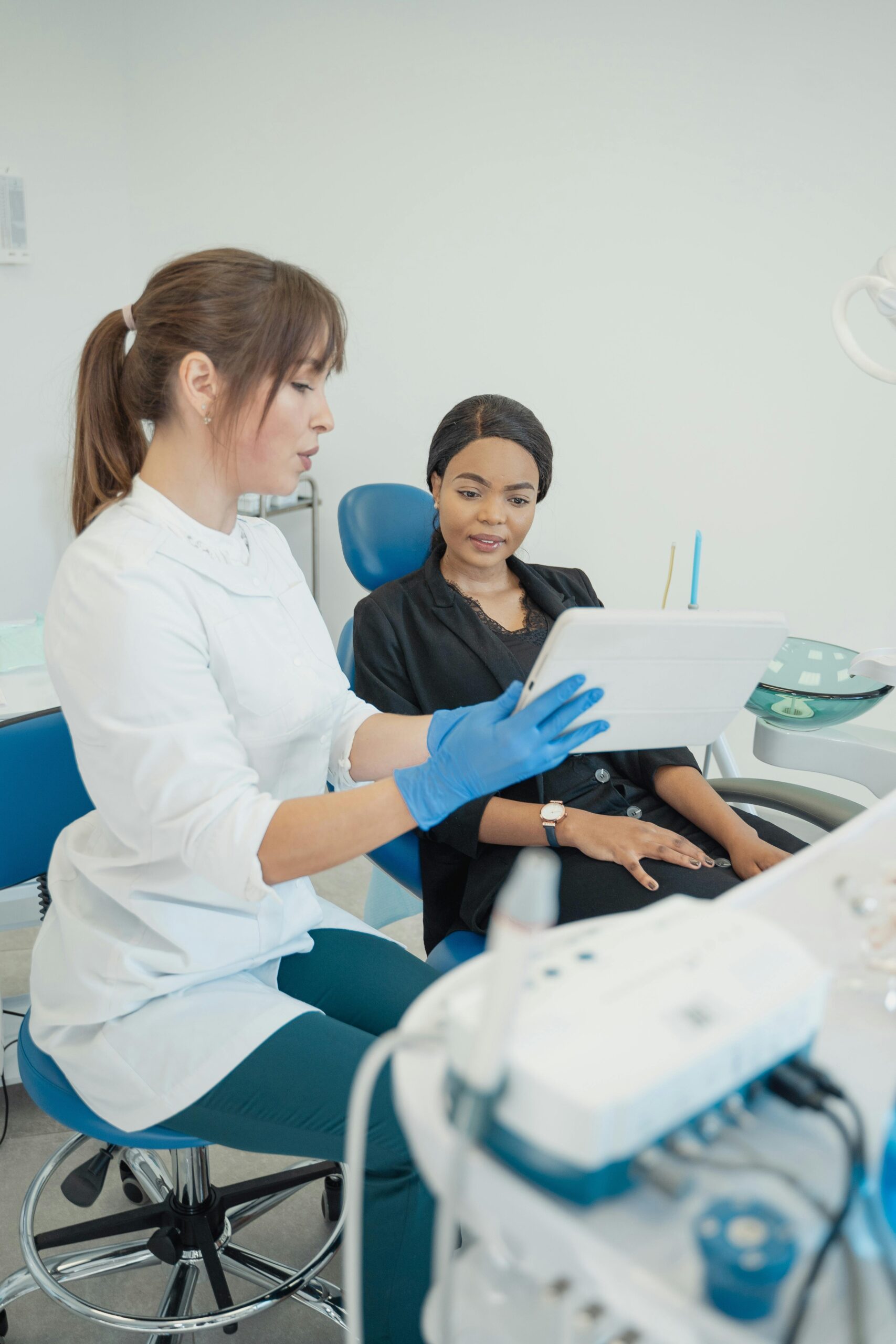
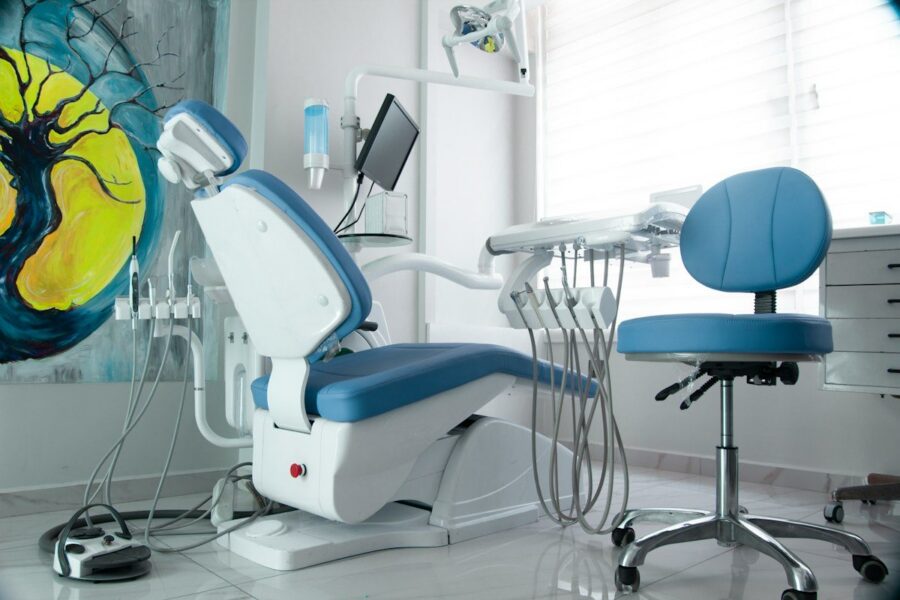

A tooth problem has a way of rearranging your priorities fast. A dull ache can sit in the background for days, then suddenly become the only thing you can think about. A chipped front tooth before a wedding, a child who falls on the playground and knocks a tooth loose, swelling that spreads into the cheek overnight, these situations do not feel the same as a routine cleaning or a filling you scheduled three weeks ago. That is where the difference between a regular dentist and an Emergency Dentist becomes more than a matter of office hours.
People often assume the distinction is simple. One handles normal care, the other handles urgent pain. That is partly true, but it misses the practical reality of how dental offices work, what kinds of problems count as true emergencies, and why timing matters so much in oral health. The right choice depends on the symptoms, the risk of waiting, and the kind of treatment most likely to stabilize the problem safely.
Understanding that difference can save you time, money, and in some cases, a tooth.
Two roles, one profession, different priorities
Both an Emergency Dentist and a regular dentist are trained dental professionals. They may even provide many of the same treatments, including exams, X-rays, fillings, crowns, root canal therapy, and tooth extractions. The difference is usually not a separate degree. It is the setting, the schedule, the urgency of care, and the treatment goal at that moment.
A regular dentist is focused on comprehensive oral health over time. That includes preventive care, diagnosis, treatment planning, restorations, periodontal monitoring, cosmetic improvements, and long-term maintenance. In a standard dental office, the day is often structured around scheduled appointments. The team has the time to review your history, take routine records, discuss options, and sequence treatment properly.
An Emergency Dentist works with a different kind of pressure. The immediate priority is to relieve pain, control infection, stop bleeding, protect damaged teeth, and prevent the situation from getting worse. The visit may be more targeted. Instead of mapping out a full-mouth plan, the dentist may concentrate on one painful tooth, one traumatic injury, or one area of swelling. In many cases, the emergency appointment stabilizes the issue first, and definitive treatment follows later.
That distinction matters because not every painful dental problem can be fully solved in a single visit. Sometimes the most appropriate emergency treatment is drainage of an abscess, placement of a temporary restoration, prescribing medication when indicated, or starting root canal treatment so the patient can sleep and function again. The permanent solution may come at a follow-up appointment.
What a regular dentist is designed to do well
The strength of regular dental care is continuity. A general dentist who sees you every six months knows your history, your bite, your gum condition, your past restorations, and the patterns in your oral health. That context makes a difference. A crack line on a molar means more when the dentist remembers you have been clenching for years. Mild gum recession has a different significance if it has progressed steadily over three visits.
Routine dentistry is built around prevention and planned treatment. Cleanings, exams, sealants, fluoride, oral cancer screenings, cavity treatment, crown work, night guards, and maintenance after major procedures all belong here. If something is not urgent, regular care is usually the best place to address it because there is time for careful diagnosis and thoughtful decision-making.
For example, a patient with occasional sensitivity to cold on one upper premolar may not need same-day urgent intervention. That symptom could come from recession, a tiny crack, a loose filling margin, or even sinus pressure. A regular appointment allows for a full evaluation, comparison with older X-rays, and discussion of treatment options rather than a rushed response.
A regular dental office is also where larger treatment plans live. Replacing missing teeth, improving esthetics, rebuilding worn teeth, and managing chronic gum disease require time, sequencing, and follow-through. Emergency visits rarely provide that environment.
What makes an Emergency Dentist different in practice
The phrase Emergency Dentist refers less to a different species of dentist and more to a practice model built for urgent care. These offices typically leave room in the schedule for same-day problems or offer after-hours, weekend, or holiday availability. Some are dedicated urgent dental clinics. Others are general practices with a strong emergency component.
Their workflow is designed around triage. When someone calls saying half their face is swollen or a front tooth has been knocked out, the first question is not whether they are due for a cleaning. It is whether the problem threatens the tooth, the surrounding tissues, or the patient’s overall health. The timing of care becomes central.
An Emergency Dentist is often prepared to make quick, focused decisions with incomplete history. The team may need to determine, within minutes, whether the issue is trauma, infection, uncontrolled pain, or a failing restoration. They are also used to treating anxious patients, because pain changes everything. People who are usually calm in a dental chair can become restless, tearful, or unable to think clearly when they have not slept for two nights because of a pulsing toothache.
One practical difference patients notice right away is that emergency care tends to be symptom-driven. If you arrive with severe pain in the lower right jaw, the dentist may examine the whole mouth, but the appointment will center on finding the source of that pain and reducing it safely. That may mean limited X-rays rather than a full routine series, targeted anesthesia rather than a full treatment consult, and a narrower plan for that day.
When the problem is truly urgent
Some dental issues are uncomfortable but can wait a few days. Others should be seen the same day if possible. The challenge is that patients often underestimate the serious ones and overestimate the cosmetic ones.
Here are the situations that commonly justify an emergency dental visit:
- Severe tooth pain that is constant, throbbing, or keeps you from sleeping
- Facial swelling, gum swelling, or a bad taste suggesting infection or drainage
- A knocked-out, loose, or displaced tooth after trauma
- Bleeding that does not stop with pressure
- A broken tooth with exposed nerve pain or sharp damage affecting function
Swelling deserves special attention. A minor puffiness around a sore gum can be one thing. Rapid swelling, trouble opening the mouth, fever, or pain when swallowing is another matter entirely. Dental infections can spread into facial spaces and become medically serious. In those cases, even an Emergency Dentist may direct you to a hospital if the airway or deeper tissues are involved.
By contrast, a lost filling with no pain, a small chip on the edge of a tooth, or a mild intermittent sensitivity might not require immediate same-day treatment. Those problems still deserve attention, but they usually belong in the regular care lane unless symptoms escalate.
The same problem can change categories overnight
One of the hardest parts of dental decision-making is that urgency is not always fixed. A problem that could wait on Tuesday may become an emergency by Friday.
A cracked molar is a good example. If the crack causes mild discomfort only when chewing hard foods, your regular dentist may evaluate it within a reasonable time frame and discuss whether it needs a crown. But if the tooth suddenly becomes exquisitely sensitive to biting, wakes you up with spontaneous pain, or the gum nearby swells, the same tooth has crossed into urgent territory.
The same is true for wisdom teeth. Many people live for months with occasional soreness around a partially erupted wisdom tooth. That is a regular dental conversation. Once the area becomes swollen, hard to clean, painful to swallow around, or associated with trismus, meaning difficulty opening the jaw, an Emergency Dentist may need to step in to control the acute episode.
This is why timing matters more than labels. Patients sometimes ask, “Can’t I just wait for my regular dentist on Monday?” Sometimes yes. Sometimes waiting costs you the tooth. Sometimes it turns a manageable infection into a weekend ER visit.
Trauma is where emergency care really stands apart
Dental trauma creates a category of urgency that regular scheduling simply is not built for. If a permanent tooth is knocked out, the best outcomes happen when action is immediate. The tooth should be handled carefully, ideally by the crown rather than the root, gently rinsed if dirty, and placed back in the socket if possible or stored in milk or a tooth preservation solution while you get to care. Minutes matter.
An Emergency Dentist is prepared for this kind of situation. Repositioning a displaced tooth, splinting mobile teeth, checking for root or bone fractures, controlling soft tissue injury, and arranging follow-up are all part of urgent trauma care. A regular dentist may absolutely be able to provide that treatment, but only if the office can see the patient immediately and has the resources available at that time.
Children complicate the picture because not every injured tooth should be managed the same way. A knocked-out baby tooth is generally not replanted, because doing so can damage the developing permanent tooth. A permanent tooth in a teenager is a different story. This is one reason rushed internet advice can be risky. Trauma care depends on the type of tooth, the age of the patient, the direction of displacement, the time out of the mouth, and whether the tooth was stored properly.
Pain relief is not the same as complete treatment
Many patients hope an emergency visit will permanently solve the problem in one sitting. Sometimes it does. A loose crown can be recemented, a small draining abscess can be treated, a sharp fractured edge can be smoothed, and bleeding after an extraction can be stopped. But in more complex cases, emergency treatment is about buying safety and comfort first.
Take a tooth with a deep infection. If the root canal system is the source, the Emergency Dentist may open the tooth to relieve pressure, place medication inside, and close it with a temporary material. That can transform the patient’s night and reduce the crisis. Yet the tooth still needs completion of root canal treatment and final restoration. If that does not happen, the pain often returns.
Similarly, an emergency extraction can eliminate the infected tooth and solve the acute issue, but it may create a later restorative decision. Should the space remain empty? Is an implant appropriate? Is a bridge better? That longer conversation usually happens after the pain has settled, often with the regular dentist who will oversee ongoing care.
This is one of the most important practical distinctions between urgent and routine dentistry. Emergency care often answers the question, “How do we stop this from getting worse today?” Regular care answers, “What is the best long-term result for your mouth overall?”
Cost, convenience, and why emergency care may feel different
Emergency dental visits can feel more expensive, even when the treatment itself is not unusual. Part of that comes from timing. Same-day access, after-hours care, weekend appointments, and unscheduled interruptions to a practice all have operational costs. Another part comes from the uncertainty built into urgent problems. A patient may need an exam, focused X-rays, palliative treatment, medication, and a return visit, all before definitive work begins.
Insurance also handles urgent care unevenly. Some plans help with exams and radiographs but offer limited coverage for temporary procedures. Others classify the same treatment differently depending on whether it is billed as definitive or palliative. Patients are often frustrated by this, especially when they are already in pain.
Convenience cuts both ways. An Emergency Dentist can spare you days of suffering and prevent a small problem from becoming a large one. At the same time, you may not see your usual provider, and the dentist treating the emergency may not know your history. That can make continuity harder unless records and follow-up are managed well.
In well-run practices, the handoff is smooth. The emergency provider treats the acute issue, documents the findings, sends radiographs if needed, and recommends what comes next. In less coordinated settings, patients drift between urgent visits without ever finishing care. That is where trouble starts. Temporary fixes are useful, but they are not meant to become permanent habits.
How to decide whom to call
If you already have a regular dentist, start there unless symptoms https://elliotjkzb739.brightpathdigest.com/posts/emergency-dentist-myths-that-could-delay-urgent-dental-care are severe and the office is closed or unable to see you. Many general dental practices reserve appointments for emergencies specifically because they know acute problems cannot wait. Your dentist also has the advantage of knowing your history, prior treatment, and current medications.
If you do not have a regular dentist, or if the problem happens after hours, an Emergency Dentist is often the right first call. A good urgent dental office will ask focused questions about swelling, trauma, bleeding, pain severity, fever, and how long symptoms have been present. Those details help them decide whether to bring you in immediately, advise home measures until morning, or direct you to a hospital if the situation may be medically dangerous.
When you call, be ready to describe the problem clearly. Saying “my tooth hurts” helps less than saying “the lower left molar has throbbed for two days, the pain wakes me up, and my cheek started swelling this morning.” The more precise your description, the better the triage.
What to do before you are seen
A few sensible steps can keep a bad dental problem from becoming worse in the hours before treatment:
- Use a cold compress on the outside of the face for swelling after injury
- Rinse gently with warm salt water if the area is irritated, unless trauma makes that painful
- Take over-the-counter pain medication as directed, if it is safe for you medically
- Keep a knocked-out permanent tooth moist, ideally in milk, and seek care immediately
- Do not place aspirin directly on the gum or tooth, it can burn the tissue
Patients sometimes try improvised fixes that create more problems than they solve. Gluing a broken crown back with household adhesive, ignoring swelling while taking repeated antibiotics left over from a previous illness, or clenching through pain until the weekend passes are common mistakes. Dental symptoms often reflect pressure, inflammation, or infection in enclosed spaces. Time rarely improves that on its own.
The gray areas that confuse people most
A surprising number of dental problems live in a gray zone between emergency and routine care. That is why blanket advice is often unreliable.
A chipped front tooth, for instance, can be emotionally urgent without being medically urgent. If there is no pain and no exposed dentin or pulp, the tooth may be structurally stable, but the patient may need same-day cosmetic help for work, photographs, or speaking confidence. An Emergency Dentist may address it quickly if availability allows, even though it is not a health emergency in the strict sense.
Orthodontic issues also create confusion. A loose bracket or poking wire can be extremely uncomfortable, yet it is rarely a true dental emergency unless it is causing injury that cannot be managed at home. By contrast, pain from a dental abscess may look minor from the outside while representing a far more serious condition.
Post-treatment problems can be difficult to judge too. Mild soreness after a filling or root canal is common. Increasing pain, high bite pressure, swelling, or signs of infection are not. A good rule is this: if symptoms are intensifying instead of gradually settling, the case needs reassessment.
The best emergency care is often preventive care you already had
There is a quiet irony in dentistry. The people who most need an Emergency Dentist are often those who have had irregular regular care, delayed treatment because a tooth was “not that bad yet,” or adapted to symptoms for too long. Cavities become abscesses. Worn fillings turn into fractures. Mild gum disease becomes loose teeth. Neglected wisdom tooth irritation turns into an infected flare.
Regular dentistry lowers the odds of a true crisis. Routine exams catch decay while it is small. X-rays reveal hidden problems before they wake you at 2 a.m. A crown placed on a cracked tooth in time can prevent the split that sends you searching for urgent care on a Saturday.
That does not mean emergencies only happen to people who avoid dentists. Accidents happen. Fillings break. Teeth fracture on olive pits and popcorn kernels. Infections can flare in previously quiet teeth. Even so, prevention changes the frequency and severity of those episodes.
The healthiest approach is not choosing between a regular dentist and an Emergency Dentist as if they compete. It is understanding that they serve different moments in the life of the same patient. One protects long-term oral health through consistency, monitoring, and planned treatment. The other steps in when pain, trauma, or infection outruns the normal schedule.
When you know which role you need, you move faster, make better decisions, and give yourself the best chance of keeping both your comfort and your teeth intact.
Smyle Dental Newhall
23754 Newhall Ave
Santa Clarita, CA 91321, United States
+16612559200
FAQ About Emergency Dentist
Will the ER do anything for dental pain?
An emergency department can assess serious complications and provide temporary care, but it usually cannot provide definitive dental treatment such as a filling or root canal. A dentist needs to identify and treat the cause. Call 911 or seek emergency medical care for difficulty breathing or swallowing, major facial injury, or uncontrolled bleeding.
What qualifies as a dental emergency?
A knocked-out permanent tooth, severe or persistent dental pain, swelling, and a broken tooth with pain need prompt professional assessment. Contact a dentist immediately for guidance on how urgently to be seen. Rapidly spreading swelling or swelling that affects breathing or swallowing requires emergency medical care.
What to do if I have a dental emergency in the middle of the night?
Call your dentist's office for after-hours instructions. Smyle Dental Newhall can be reached at (661) 255-9200; confirm when treatment is available. Do not wait for the office to open if you have trouble breathing or swallowing, uncontrolled bleeding, or a major facial injury. For a toothache while arranging dental care, gently rinse with warm water and avoid putting aspirin directly on the tooth or gums.